
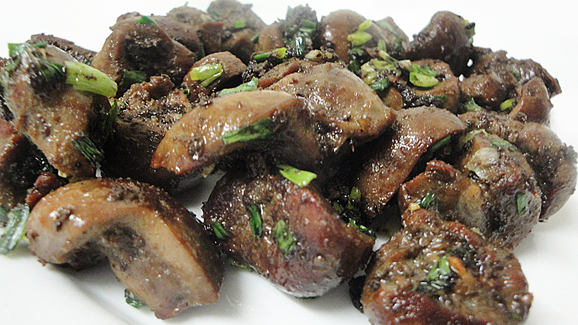

When we ask what is the nutritional value of beef kidney, we are really asking if this old fashioned organ meat still has a place on a modern, health focused plate. Beef kidney may not look fancy on the butcher counter, but nutritionally it is a dense package of protein, B vitamins, minerals, and unique compounds that you do not always get from regular muscle meat like steak or ground beef.
Nutrition at a glance for beef kidney
The table below shows the approximate nutritional value of beef kidney per 100 grams of cooked kidney, braised without added breading or heavy sauces.
| Nutrient | Amount per 100 g (cooked) |
|---|---|
| Calories | ≈ 150 kcal |
| Protein | ≈ 26 g |
| Total Fat | ≈ 4 g |
| Saturated Fat | ≈ 1.3 g |
| Carbohydrates | < 1 g |
| Fiber | 0 g |
| Cholesterol | ≈ 400 mg |
| Sodium | ≈ 90 mg |
| Vitamin B12 | ≈ 25 mcg (400+% DV) |
| Riboflavin (B2) | ≈ 2 mg (150% DV) |
| Niacin (B3) | ≈ 8 mg (50% DV) |
| Vitamin A | Small amounts, much less than liver |
| Iron | ≈ 4 mg (20–25% DV) |
| Zinc | ≈ 3 mg (25% DV) |
| Selenium | ≈ 150 mcg (250% DV) |
| Phosphorus | ≈ 250 mg (20% DV) |
| Potassium | ≈ 250–300 mg |
Values can change a bit with different cooking methods, trimming of fat, and whether any sauce or breading is used. But this is a good overall picture of the nutritional value of beef kidney per 100 grams.
Serving size reference for beef kidney
Most people in the United States do not eat beef kidney by the 100 gram lab portion. If we look at the nutritional value of beef kidney in real life meals, a common serving size is around 3 to 4 ounces cooked, which is roughly 85 to 113 grams.
A 3 ounce cooked portion fits comfortably on a plate along with vegetables and maybe some rice or potatoes. In recipes like steak and kidney pie, a serving may be slightly larger, but the kidney is often mixed with other meats, so your actual intake is smaller then it looks.
Calorie content of beef kidney
Beef kidney is a low calorie, nutrient dense food. Around 150 calories per 100 grams means you get a lot of protein, B vitamins, iron, and selenium without a huge energy load. That can be useful if you are watching body weight, managing blood sugar, or just like meals that feel lighter but still satisfy.
For comparison, 100 grams of cooked 80 percent lean ground beef is closer to 250 calories. So beef kidney gives similar protein with much less calories and fat.
Macronutrient breakdown
Carbohydrates
Beef kidney is naturally very low in carbs. With less then 1 gram per 100 grams, it is practically a carbohydrate free food. There is no starch, no fiber, and no significant natural sugar in the kidney itself.
Fiber content
There is no dietary fiber in beef kidney. That does not make it unhealthy, it just means you need to plan fiber from other foods like vegetables, beans, fruits, and whole grains if you want a balanced meal that supports digestion, gut health, and steady appetite control.
Sugars: natural vs added
Beef kidney contains only trace amounts of natural sugars found in animal tissues, and no meaningful amount of lactose, fructose, or other common sugars. Any sugar in a kidney dish usually comes from sauces, marinades, or sides. So if you are tracking sugar, the kidney itself is not the concern, the other items on the plate is where we pay attention.
Protein content
One of the biggest strengths in the nutritional value of beef kidney is its protein. With around 26 grams of complete protein per 100 grams cooked, kidney can support muscle repair, immune function, hormone production, and satiety.
The protein in beef kidney has all nine essential amino acids, similar to steak, chicken breast, fish, and eggs. This makes it a helpful option for:
- People who lift weights and want better recovery
- Older adults trying to limit age related muscle loss
- Anyone on a moderate or higher protein eating pattern
Fat content
Beef kidney is relatively lean compared with other cuts of beef. Around 4 grams of total fat per 100 grams is much lower then many roasts or ground beef products. Trimming visible fat and using moist heat cooking (like simmering or braising) keeps the final fat content down.
The fat present is a mix of saturated and unsaturated fats. There are small amounts of monounsaturated fat, similar to what we see in other beef cuts.
Saturated fat
Saturated fat in beef kidney is around 1.3 grams per 100 grams. That is still present, but lower then fatty steaks, ribs, or burgers. For most healthy adults, occasional servings of organ meats with this level of saturated fat can fit into a heart conscious meal pattern, especially when the rest of the day leans more toward plant fats like olive oil, nuts, and seeds.
Trans fat
Natural ruminant trans fats found in beef, lamb, and dairy are present only in small amounts in beef kidney. They are different from industrial trans fats from hydrogenated oils. Still, the quantity here is low, and from a practical standpoint they are not a major driver of risk when you look at a whole diet pattern.
Vitamin content in beef kidney
When someone asks, what is the nutritional value of beef kidney beyond protein, the vitamin profile stands out. Kidneys from beef are one of the richer sources of several B vitamins, especially B12 and riboflavin.
Vitamin B12 is very high in kidney. A 100 gram serving can give 4 or more times the recommended daily value. B12 support red blood cell production, nervous system function, and helps keep homocysteine in check, which is tied to heart and brain health. For people who struggle with low B12, occasional organ meats can be a strong food based source, as long as they eat animal foods.
Riboflavin (B2) and niacin (B3) are also supplied at high levels. These B vitamins are involved in energy production, metabolism of fats and carbs, and healthy skin and eyes.
Beef kidney has smaller, but meaningful, amounts of other B vitamins like B6 and folate. Unlike beef liver, kidney is not extremely high in vitamin A, which some people prefer if they are worried about getting too much preformed vitamin A from frequent liver intake.
Mineral content in beef kidney
Another reason the nutritional value of beef kidney is respected among nutrition minded eaters is its mineral density.
Iron in kidney is in the heme form, which humans absorb more easily then non heme iron from plants. Around 4 milligrams per 100 grams can support iron stores for people with higher needs, such as women with heavy cycles or athletes. For people with hemochromatosis or high iron levels, though, regular organ meat intake may not be appropriate.
Zinc supports immune function, taste and smell, wound healing, and reproductive health. Beef kidney gives roughly a quarter of daily needs in a modest serving. That can matter if someone is coming from a very plant based diet that is low in zinc rich foods.
Selenium is extremely high in beef kidney, often more than twice the daily value per 100 grams. Selenium supports thyroid function, antioxidant systems (like glutathione peroxidase), and may play a role in male fertility and immune defense. Because levels are high, you actually do not want huge portions of kidney every single day. A bit, once in a while, goes a long way.
There is also useful phosphorus (for bones and energy production) and potassium (for fluid balance, nerve function, and blood pressure control), though kidney is not as potassium rich as foods like potatoes or beans.
Sodium content
Fresh, raw beef kidney naturally has a moderate sodium content, around 90 milligrams per 100 grams cooked. That is not extreme. The trouble starts when kidney is prepared in salty gravies, canned in brine, or served in processed pies or sausages. Then the sodium in the total dish can raise sharply.
For someone watching blood pressure, we focus more on how the kidney was seasoned and what came out of the package, not just the kidney tissue itself.
Cholesterol content
This is where many people pause. Beef kidney is high in dietary cholesterol, around 400 milligrams per 100 grams. That is more then you get from most steaks or chicken thighs, and quite a bit more then from egg yolks per same weight.
Most current research shows that for many healthy people, dietary cholesterol has a smaller effect on blood cholesterol then once thinked, especially when the overall diet is rich in fiber and unsaturated fats and low in ultra processed foods. But for people with familial hypercholesterolemia, very high LDL, or certain heart conditions, regular large portions of organ meats may not be wise.
As nutrition professionals, we generally see kidney as an occasional, nutrient dense food, rather then a daily staple, for those with cholesterol concerns.
Glycemic impact and blood sugar
Since beef kidney has almost no carbohydrate, its direct effect on blood sugar levels is minimal. For people with type 2 diabetes, prediabetes, or anyone following lower carb diets, kidney can provide protein and micronutrients without spiking glucose.
However, mixed dishes like steak and kidney pie often include flour crusts, gravy thickeners, and mashed potatoes, which do have a higher glycemic effect. So we separate the kidney itself from the overall recipe when we think about blood sugar.
Digestive considerations
From a digestion standpoint, organ meats digest similarly to other meats, but there are a few things to notice:
- There is no fiber, so pairing kidney with vegetables or legumes helps bowel regularity.
- Very large portions of protein at one sitting can feel heavy or cause discomfort for some people, especially if they have low stomach acid or pancreatic enzyme issues.
- Some individuals find the rich, mineral heavy nature of organ meats can trigger nausea if they eat too much too quickly, especially if they are not used to it.
So starting with small portions, well cooked and seasoned, and eaten with plenty of veggies can make the meal easier on the gut.
Allergen information
Beef kidney comes from cattle, so people with a beef allergy or alpha gal syndrome (a tick related red meat allergy) should avoid it. Aside from that, kidney is not a common allergen in the general population, but some sensitive people do react to specific animal proteins.
Also, prepared dishes may contain other allergens such as wheat (pie crust, gravies), dairy (cream sauces, butter), or soy (marinades). Always read labels or ask how the dish was made if you need to avoid certain ingredients.
Antinutrients and absorption notes
Unlike some plant foods, beef kidney does not contain antinutrients like phytic acid or oxalates at levels that matter. In fact, one of the advantages of organ meats is that they help provide minerals like iron and zinc in highly absorbable forms, which may even help balance a diet high in phytate rich grains and legumes.
The main care with kidney is not antinutrients, but rather balance of very high micronutrient density, especially B12 and selenium, with not going overboard on intake day after day.
Health considerations of eating beef kidney
Looking at the full nutritional value of beef kidney, we see both strong upsides and a few cautions.
Potential benefits
Beef kidney can support health in several ways:
- Nutrient density: very high amounts of B12, riboflavin, selenium, and good iron and zinc in a small calorie package.
- Protein quality: complete amino acid profile helps muscle maintenance and satiety.
- Low carbohydrate: friendly for low carb and ketogenic patterns when used in moderation.
- Nose to tail eating: using organs respects the whole animal and reduces food waste, which many eco conscious eaters appreciate.
For someone in the US trying to build a more nutrient rich diet without overdoing calories, occasional beef kidney can be a smart, if acquired taste, choice.
Potential concerns or limitations
There are also valid reasons to limit how often or how much kidney you eat:
High cholesterol: people with certain genetic lipid issues may need to minimize organ meats. That is something to discuss with a healthcare provider who knows your lab history.
Purines: organ meats are richer in purines, which break down into uric acid. For people with gout or high uric acid, frequent organ intake can raise risk of flare ups.
Taste and smell: kidney has a stronger, sometimes metallic or mineral taste, and can have a smell that some people find unpleasant if not soaked and cooked carefully. That practical barrier matters; if you hate it, you will not stick with it.
Food safety: like all meats, kidney must be handled and cooked properly to avoid bacterial contamination. It should be kept cold, cooked thoroughly, and not left at room temperature for long periods.
Portion size guidance
For most healthy adults, a reasonable portion of cooked beef kidney is around 2 to 4 ounces once or twice a week at most. That amount gives benefits of the high nutritional value of beef kidney without loading up too much cholesterol or selenium.
People newer to organ meats might start closer to 1 to 2 ounces chopped and mixed into ground beef dishes, so they can get used to the flavor and see how their body responds before eating a full serving by itself.
Frequency of consumption
Because of the concentrated nutrients, kidney is best treated like a supplement in food form, not a daily staple. A pattern like:
Organ meats (kidney, liver, heart) perhaps once a week, or even once every couple weeks, plus a balanced mix of other animal and plant foods, usually fits nicely in a varied eating style. More frequent intake might be ok for some, but you would want medical guidance if you have any chronic health conditions.
Raw vs cooked beef kidney
Some people who follow very specific ancestral or raw meat diets might eat raw organ meats. From a mainstream nutrition and food safety view, we generally recommend cooked kidney, because cooking reduces harmful bacteria and parasites that may be present.
Cooking also changes the texture, smell, and taste, making kidney more approachable. Light braising or stewing keeps the proteins tender without turning them rubbery. Overcooked kidney can get tough, chewy, and stronger in flavor, which often turns people off.
Fresh vs frozen or canned kidney
Fresh kidney from a trusted butcher or local farmer tends to have the best flavor and texture. It does need trimming and soaking in cold water or milk to remove some of the strong smell and residual fluids.
Frozen kidney can still be very nourishing. Freezing does not destroy protein or most minerals, and vitamins stay mostly intact. If you live in a part of the US where organ meats are hard to find, frozen options from online grass fed meat suppliers can be practical.
Canned or highly processed kidney products may have added salt, preservatives, and fats. They also might sit on shelves for a long time. The basic nutritional value of beef kidney will still be there, but the sodium and fat profile of the overall product might be much different, so we read labels carefully in those cases.
Cultural and traditional uses
In many cultures, beef kidney has been a normal part of the diet for generations. Traditional British cooking uses it in steak and kidney pie. Some Latin American dishes include kidney grilled with spices. In parts of Asia, kidney may appear in stir fries or soups.
If you grew up in the US without organ meats on the table, the first time cooking kidney can feel strange. Using recipes from cultures where kidney is common can help. Seasonings like garlic, onion, herbs, and a bit of acid from vinegar or lemon make the flavor milder and more interesting.
How beef kidney fits into a balanced diet
From a big picture view, beef kidney can be one of several nutrient dense protein sources in an eating pattern that also includes plenty of vegetables, fruits, whole grains, beans, nuts, seeds, and healthier fats.
We usually do not build a whole diet around organ meats. Instead, we slide them in as an occasional, powerful boost. For example:
One week you might have salmon one night, a bean chili another night, grilled chicken another night, and a small portion of beef kidney stew with root vegetables once. That variety supports different nutrient needs and food experiences while still keeping an eye on heart health and long term wellbeing.
Pairing suggestions
Because of its strong mineral taste and lack of fiber, beef kidney pairs well with foods that are:
- High in fiber: think carrots, onions, celery, peas, or leafy greens.
- Rich in herbs and aromatics: garlic, thyme, rosemary, parsley, bay leaf.
- Lightly acidic: a splash of red wine, vinegar, or lemon juice to brighten flavor.
Serving kidney with a side of mashed potatoes or a whole grain like barley can help balance texture and make the meal feel more familiar if you are new to organ meats.
Storage and shelf life notes
Fresh beef kidney is quite perishable. It should be kept in the coldest part of the refrigerator and used within 1 to 2 days of purchase. If you are not going to cook it that quickly, freezing is a better option.
For freezing, wrap kidney tightly to limit air contact, label with the date, and use within 3 to 4 months for best quality. Thaw in the refrigerator, not on the counter, to reduce any food safety risk.
Comparison with similar foods
Compared with beef liver, kidney has:
Less vitamin A but still high B12 and selenium. The flavor is different, often milder if well prepared, and the cholesterol level is high but somewhat lower then liver per equal weight in many cases.
Compared with heart, kidney is higher in some vitamins and minerals but has a stronger taste. Heart tends to be a bit fattier, more like a lean roast, and often easier for beginners to like.
Compared with standard beef steak, kidney is much higher in B12, riboflavin, selenium, and cholesterol, while being lower in calories and fat per 100 grams.
Frequently asked questions about the nutritional value of beef kidney
Is beef kidney good for you?
In moderate portions, for most healthy adults, yes, beef kidney can be a very nutritious food. It is rich in high quality protein and packed with B12, riboflavin, selenium, and iron. The key is not overdoing frequency or portion sizes, especially if you have cholesterol, gout, or iron overload concerns.
Can people with high cholesterol eat beef kidney?
That depends on the person. Some people with controlled cholesterol and no genetic issues can handle occasional small portions within an overall heart smart diet. Others with severe lipid disorders may need to avoid or strictly limit organ meats. That is a talk to have with your doctor or dietitian who knows your numbers.
Is beef kidney suitable for low carb or keto diets?
Yes. Kidney is almost carb free and fits easily into low carb or keto patterns. Just remember that keto does not mean unlimited organ meats, so we still keep balance and variety in mind.
How if someone do not like the taste?
Soaking kidney in cold water or milk for 30 to 60 minutes, trimming off fat and connective tissue, and cooking it with plenty of aromatics can reduce the strong taste. Mixing small chopped amounts into ground beef dishes is another way to introduce it slowly without feeling overwhelmed.
Nutrition data source note
The numbers used here are based on common nutrition databases such as USDA data for cooked beef kidney, along with averaged values from standard food composition references. Exact values can vary depending on animal diet, cut, trimming, and cooking method, but the overall nutritional value of beef kidney described will hold true across most typical sources.
When we look closely at what is the nutritional value of beef kidney, we see a food that is lean, protein rich, and extremely high in several key vitamins and minerals. For health focused eaters in the US who are open to organ meats, occasional servings of well prepared beef kidney can offer powerful nutritional benefits as part of a thoughtful, varied diet.