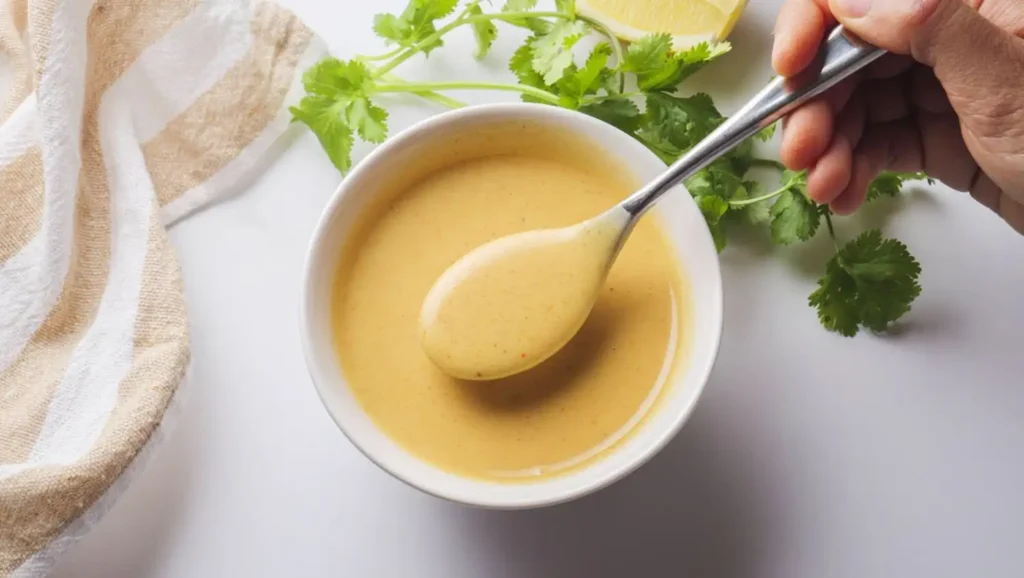

Honey mustard looks like a simple dip on the side of chicken fingers or salad, but its nutrition profile can affect your blood sugar, weight goals, and heart health more than many people realize. When we ask “what is the nutritional value of honey mustard,” we are really asking how this sweet sauce fits into a balanced diet, how often we should use it, and what type to buy.
Below, we look deeply at the nutritional value of honey mustard, with a focus on common store bought versions and restaurant style dressing. We will also note how homemade recipes can change the numbers a lot.
Nutrition at a Glance: Honey Mustard (2 Tbsp Serving)
Because recipes vary, there is no single label for every product. Still, most bottled honey mustard salad dressings fall near these values.
Approximate Nutrition for 2 Tbsp (30 g) Honey Mustard Dressing
| Nutrient | Approx. Amount | Notes |
|---|---|---|
| Calories | 110 to 140 kcal | Depends on fat and sugar content |
| Total Carbohydrates | 7 to 10 g | Mostly from honey/sugar |
| Fiber | 0 g | Very low to none |
| Total Sugars | 6 to 9 g | Mostly added sugar (honey, sugar, corn syrup) |
| Protein | 0 to 1 g | Not a meaningful source |
| Total Fat | 9 to 12 g | From oils like soybean or canola |
| Saturated Fat | 1 to 2 g | Higher if made with mayo or egg yolk |
| Trans Fat | 0 g | Check label, small amounts may appear in some brands |
| Sodium | 150 to 260 mg | Can add up fast over the day |
| Cholesterol | 0 to 10 mg | Present if made with egg-based mayo |
| Vitamin A, C, D, B vitamins | Minimal | Not a major source |
| Minerals (Ca, Fe, K, etc.) | Minimal | Trace amounts only |
These values fit a standard honey mustard salad dressing or dipping sauce from a bottle. A thicker fast food honey mustard sauce, or one used for chicken strips, might have a bit more sugar and sodium for the same serving size.
Serving Size Reference
For packaged honey mustard, the nutrition facts usually list:
- 2 tablespoons (30 g) for salad dressing
- 1 packet (about 1 oz or 28 g) for fast food dipping sauces
In real life, we often pour more than that. A big salad at home can easily carry 4 tablespoons of dressing, and if you like dipping, you might finish 2 or 3 packets without thinking about it. That simple habit can triple your calorie and sugar intake from this condiment alone.
Calorie Content of Honey Mustard
From a weight management view, calories are one of the main concerns in the nutritional value of honey mustard.
- Common bottled dressing
- Around 110 to 140 calories per 2 tablespoons
- Fast food dipping sauce
- Often around 90 to 120 calories per packet
If you use honey mustard as a regular salad dressing, 4 tablespoons may reach 220 to 280 calories, nearly the same as a small meal for some people. For someone trying to lose weight or manage blood sugar, that extra energy can slow progress when it’s added on autopilot.
Macronutrient Breakdown
Carbohydrates in Honey Mustard
Most honey mustard is not a high carb food, but nearly all of the carbohydrates come from sugar.
- Carbohydrates per 2 tbsp: around 7 to 10 g
- Starch: basically none
- Complex carbs: none
This means honey mustard will not keep you full the way a high fiber or complex carb food would. It gives mainly flavor and quick energy, but not lasting satiety.
Fiber Content
Honey mustard is generally fiber free.
- Fiber per 2 tbsp: 0 g
Since most versions use refined oils, sugar, and mustard, there is no real fiber contribution for digestion or gut health.
Sugars: Honey vs Added Sugars
The “honey” in honey mustard sounds natural and gentle, but many commercial products use:
- Honey
- Sugar or high fructose corn syrup
- Brown sugar or other syrups
So, even though some sugar comes from honey, it still counts as added sugar on the label and behaves like other simple sugars in the body. Many brands contain around 6 to 9 grams of sugar per 2 tablespoon serving. That equals about 1.5 to 2 teaspoons of sugar.
For someone with diabetes or insulin resistance, this sweet part of the nutritional value of honey mustard can push blood glucose up faster than expected, specially when paired with refined carbs like white bread, fries, or battered chicken.
Protein Content
- Protein per 2 tbsp: 0 to 1 g
Honey mustard has almost no protein. It does not help reach daily protein goals for muscle health, recovery, or appetite control.
Total Fat Content
Most of the calories in honey mustard dressing come from fat.
- Total fat per 2 tbsp: around 9 to 12 g
The type of oil used matters for heart health. Common oils include:
- Soybean oil
- Canola oil
- Sunflower oil
- Blend of vegetable oils
These are mostly unsaturated fats, which can be more heart friendly than saturated fat, but many dressings still include some saturated fat from egg yolks or mayo.
Saturated Fat
- Saturated fat per 2 tbsp: around 1 to 2 g
This is not extremely high, but it does add up, specially if you already get saturated fat from cheese, red meat, or fried foods in the same meal. People with high LDL cholesterol or a family history of heart disease may want to watch this.
Trans Fat
Most current brands avoid industrial trans fat, but we still need to read the ingredients list.
- Trans fat: labeled as 0 g in many products, but:
- If you see “partially hydrogenated oil” listed, there might be small hidden amounts
Our goal is to keep trans fat intake as close to zero as possible because of it’s strong link with heart disease.
Vitamin Content
From a micronutrient view, the nutritional value of honey mustard is limited.
Commercial honey mustard usually provides only trace amounts of:
- Vitamin A
- Vitamin C
- Vitamin E
- B vitamins
These may come from mustard seeds or added ingredients, but they are not high enough to treat this food as a vitamin source. For immune support, skin health, or energy metabolism, we need to rely on vegetables, fruits, whole grains, lean proteins, and not condiments.
Minerals in Honey Mustard
Again, amounts are usually very small:
- Calcium: trace
- Iron: trace
- Potassium: minor amounts
- Phosphorus, magnesium, zinc: trace
The only “mineral” honey mustard is clearly known for is sodium, which we will cover next.
Sodium Content
Sodium is one of the big concerns when we look at the nutritional value of honey mustard.
- Typical sodium per 2 tbsp: 150 to 260 mg
- Two servings (4 tbsp): 300 to 520 mg
The American Heart Association generally suggests no more than 1500 to 2300 mg of sodium per day for most adults. Salad dressing, dipping sauces, ketchup, breaded chicken, and fries together can climb well over that number.
For people with high blood pressure, kidney disease, or a history of stroke, sodium from condiments adds up quietly. Honey mustard is not the worst offender, but it rarely shows up alone on the plate.
Cholesterol Content
Cholesterol in honey mustard depends on whether the recipe contains eggs or mayonnaise.
- Egg free versions: 0 mg cholesterol
- Mayo based versions: up to 10 mg per 2 tbsp
This amount is not huge, but if your diet already includes egg yolks, butter, and high fat dairy, honey mustard can be one more small piece in the total cholesterol puzzle.
Glycemic Impact and Blood Sugar Notes
Because honey mustard is mostly simple sugar and fat, with no fiber and very low protein, its carbohydrate part hits the bloodstream fairly quickly.
- People with diabetes or prediabetes may see a noticeable rise in post meal blood glucose when:
- Honey mustard is eaten with refined carbs (white bread, fries, breaded chicken)
- Portions are larger than 2 tbsp
On the other hand, if honey mustard is used in a modest amount over grilled chicken and a large bowl of high fiber veggies, the overall impact might be more gentle. The rest of the meal composition always matters.
Digestive Considerations
Most people tolerate honey mustard well, but few situations need attention:
- Acid sensitivity
- Mustard and vinegar can irritate heartburn or reflux in some people.
- Irritable bowel syndrome (IBS)
- Some individuals are sensative to certain spices, vinegar, or sweeteners.
- Large amounts of sugar
- For people very sensitive to sugar alcohols or certain additives in “light” or “sugar free” dressings, bloating or loose stool may appear.
Since honey mustard is very low in fiber, it does not support bowel regularity the way vegetables, beans, or whole grains do.
Allergen Information
The main possible allergens in honey mustard include:
- Mustard
- A known allergen for some people, specially in Europe and parts of Canada. Reactions can range from mild to serious.
- Eggs
- Many creamy honey mustard dressings use mayonnaise or egg yols.
- Soy
- Common vegetable oils like soybean oil and some emulsifiers are soy based.
- Milk
- Some “creamy” versions may include dairy ingredients.
People with food allergies need to read labels carefully or ask restaurants about ingredients when ordering salads and dipping sauces.
Antinutrients or Absorption Notes
Unlike beans or some grains, honey mustard does not contain notable antinutrients like phytic acid or oxalates in clinically meaningful amounts. Its bigger issue is more about what it does not provide.
A meal heavy in honey mustard and fried foods can:
- Displace nutrient dense foods like vegetables, legumes, and intact grains.
- Add sugar and sodium without adding vitamins, minerals, or fiber.
So while honey mustard does not block nutrient absorption, it can lower the overall nutrient density of the meal when used in very large amounts.
Health Considerations
When we look at the nutritional value of honey mustard as part of an overall eating pattern, few key points stand out:
- It is a source of added sugar and sodium.
- It provides fats, which can be helpful for flavor and satisfaction in moderate amounts.
- It has very low micronutrient density.
- It can make high calorie foods (like fried chicken or fries) more appealing, which sometimes leads to overeating.
For many healthy adults, honey mustard in small portions can fit fine into a balanced diet. The concern rises when:
- Portions are large and frequent.
- Someone is managing diabetes, high blood pressure, or heart disease.
- Most of the day’s vegetables are covered in heavy dressing instead of lighter, lower sugar options.
Potential Benefits of Honey Mustard
Even though it is not a superfood, there are few possible benefits when used wisely.
- Flavor support for vegetables and lean proteins
Many of us in the US grow up with very strong taste preferences for salty and sweet foods. A moderate amount of honey mustard can make:
- Grilled chicken more enjoyable
- Raw veggies easier to snack on
- Baked fish less bland
If a spoonful of honey mustard helps someone eat more non starchy vegetables and lean proteins, the net effect can still be positive.
- Replacement for heavier sauces
Sometimes honey mustard replaces:
- Thick cream based sauces
- Extra cheese
- Very high fat dressings
In those cases, total fat or saturated fat may actually be lower.
- Customizable at home
Homemade honey mustard can be adjusted to:
- Use less sugar
- Use high quality oils
- Add herbs and spices for more flavor without extra calories
Potential Concerns or Limitations
- Added sugars
Too much added sugar is linked with weight gain, higher triglycerides, and increased risk of type 2 diabetes. Honey mustard can be a quiet source of that sugar, specially if used every day. - Sodium
For people working on blood pressure goals, every 200 mg of sodium counts. A heavy hand with dressings and dips may slow progress. - Calorie density
It is easy to forget that 4 spoonfuls of dressing can have calories similar to another small meal. When weight loss stalls, condiments like honey mustard are sometimes one of the “hidden” sources. - Ultra processed versions
Some brands contain long ingredient lists with stabilizers, flavorings, and cheap oils. While an occasional serving is not a crisis, a daily habit of many processed sauces can crowd out whole foods.
Portion Size Guidance
Reasonable serving sizes for most adults:
- As salad dressing
- 1 to 2 tablespoons per meal
- As dipping sauce
- 1 packet or 1 to 2 tablespoons
If you are trying to reduce calories or sugar, you can:
- Mix half honey mustard with half plain Greek yogurt for a lighter dip.
- Thin dressing with water, vinegar, or lemon juice to stretch the flavor.
- Toss salad with dressing in a small bowl, instead of pouring straight on top, so it coats more evenly.
Frequency of Consumption
For most healthy adults:
- Occasional use, several times a week in small portions, is usually fine.
For people with:
- Diabetes or prediabetes
- High blood pressure
- Hyperlipidemia or heart disease
We may want to keep honey mustard as an occasional treat or use reduced sugar, lower sodium, homemade versions instead.
Raw vs Cooked Differences
Honey mustard is usually eaten as a ready to use sauce or dressing. Still, some people use it in marinades or oven bakes.
- When heated:
- Sugar in honey mustard can caramelize and darken.
- Taste gets deeper and sometimes more bitter if burned.
- Vitamin content remains low either way.
From a nutrition angle, there is not a huge difference between raw and cooked honey mustard. The main change is flavor and slight texture.
Fresh vs Packaged vs Restaurant Honey Mustard
- Packaged (bottled) honey mustard
- Consistent flavor
- Usually higher in preservatives, sugar, and sodium
- Easy to track with nutrition label
- Restaurant style dressing or sauce
- Can be much higher in calories per serving
- Often more sugar and fat for better taste
- Nutrition data may be posted online for some chains
- Homemade honey mustard
- Fully control sweetness and salt
- Option to use olive oil or avocado oil
- Can add yogurt to cut fat, or Dijon mustard for more spice and less sugar
From a health viewpoint, homemade versions allow the most control over the nutritional value of honey mustard.
Cultural and Traditional Uses
Honey mustard sauce shows up often in American casual dining:
- Dip for chicken tenders, nuggets, and soft pretzels
- Dressing for salads with grilled chicken or crispy chicken
- Sauce for sandwiches and wraps
- Glaze for baked chicken or pork
Many of us carry some nostalgia around kids meals, school lunches, or sports events where honey mustard was a main flavor. That emotional connection sometimes makes it harder to change portion sizes, but also gives a chance to create new, lighter versions with the same comfort feeling.
How Honey Mustard Fits Into a Balanced Diet
A balanced plate usually includes:
- Half non starchy vegetables
- A palm size serving of lean protein
- A fist size serving of whole grains or starchy veggies
- A bit of healthy fat
Honey mustard can fit into that pattern if it is:
- Used in modest amounts
- Paired with grilled or baked foods instead of deep fried items
- Balanced with high fiber, colorful vegetables
Think of it as a flavor accent, not a major source of nutrients.
Pairing Suggestions
If we want to enjoy the taste while keeping our health goals on track, honey mustard works well with:
- Grilled chicken or turkey breast
- Roasted Brussels sprouts or carrots (brushed lightly during roasting)
- Salad with mixed greens, cucumbers, tomatoes, and grilled fish
- Whole grain wraps with lean protein and plenty of veggies
We can also create a lighter dip by mixing:
- 1 part honey mustard
- 1 part plain nonfat or low fat Greek yogurt
- Extra lemon juice or vinegar for brightness
This mix gives tang and protein, with fewer calories and less sugar per bite.
Storage and Shelf Life Notes
- Unopened bottled honey mustard
- Store in a cool, dry place.
- Shelf life is often several months to a year, check the date.
- Opened bottle
- Keep refrigerated.
- Best quality usually within 1 to 3 months, depending on brand.
- Homemade honey mustard
- Store in an airtight container in the fridge.
- Use within 1 to 2 weeks for best taste and food safety, specially if it contains yogurt or mayo.
Always discard if you notice off smell, mold, separation with strange color, or gas release when opening.
Comparison With Similar Sauces
When people ask about the nutritional value of honey mustard, they often compare it to other common condiments.
- Ranch dressing
- Usually higher in total fat and saturated fat
- Similar or slightly lower in sugar
- Barbecue sauce
- Lower in fat, but often higher in sugar
- Also high in sodium
- Ketchup
- Lower in calories and fat, but still rich in added sugar and sodium
- Plain mustard (yellow or Dijon)
- Very low in calories, sugar, and fat
- Strong flavor with minimal nutrition impact
For someone cutting calories or sugar, switching from honey mustard to plain mustard, or to a mustard based vinaigrette, can make a big difference across the week.
Frequently Asked Questions
1. Is honey mustard healthy?
Honey mustard can be part of a healthy eating pattern if used in small portions and if the rest of the meal is rich in whole foods. It is not a major source of vitamins or minerals. Because of its added sugar and sodium, we generally treat it as a sometimes condiment, not a health food.
2. Is honey mustard good for weight loss?
Not really, unless you use it very sparingly. Most versions are calorie dense. It can support weight loss only if it helps you enjoy more vegetables and lean proteins without leading to overeating.
3. Does honey mustard contain a lot of sugar?
Many brands contain around 6 to 9 grams of sugar per 2 tablespoons. That is not huge, but it adds up fast with larger servings.
4. Is honey mustard OK for people with diabetes?
Small portions may fit into a planned carb budget. People with diabetes should count the sugar and total carbohydrates from honey mustard as part of their meal, and try to pair it with high fiber foods and lean proteins.
5. Is honey mustard gluten free?
Some brands are gluten free, but cross contamination, malt vinegar, or other ingredients can sometimes add gluten. Always check the label or choose certified gluten free if you have celiac disease or strong gluten intolerance.
Nutrition Data Source Note
The values and ranges discussed here are based on common entries from major honey mustard products and public nutrition databases, along with typical restaurant disclosures. Exact amounts vary by brand and recipe, so checking the actual nutrition label on your product is always the most accurate way to know the nutritional value of honey mustard in your own kitchen.
Updated: December 2025
In summary, the nutritional value of honey mustard centers around added sugar, fat, and sodium, with minimal vitamins, minerals, or fiber. When used mindfully, in small amounts, it can add flavor that supports a more enjoyable and sustainable healthy eating pattern. When used heavy and often, especially alongside fried foods and refined carbs, it can quietly work against long term health goals.