
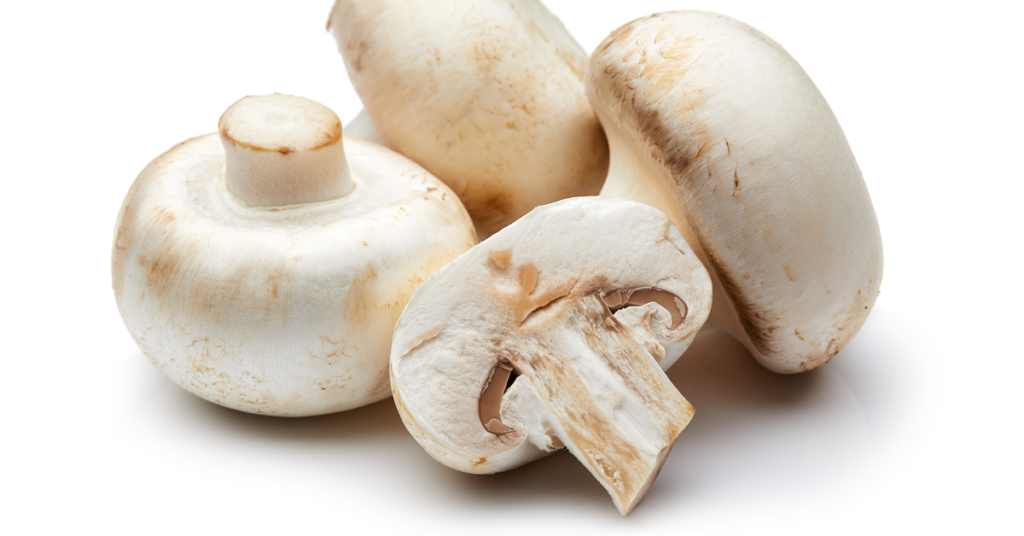

What is the nutritional value of mushrooms when we look at real nutrition facts, not hype? The nutritional value of mushrooms is built on a simple win: very low calories, light carbs, almost no fat, plus B vitamins and minerals that support everyday health. When mushrooms hit a hot skillet, the aroma turns earthy and savory, and the texture becomes “meaty” in a way that helps healthy meals feel more satisfying. For a lot of people, thats exactly what they need to stay on track.
Many Americans want food that supports weight goals and fitness routines but still tastes good. Mushrooms make that easier because we can add flavor and volume without much energy. Mushrooms is one of the few foods that can do both.
Nutrition at a Glance (Table)
Data below is for raw white button mushrooms, 1 cup sliced (70 g). The numbers below is a solid baseline for mushroom nutrition, but different varieties will vary a bit.
| Nutrient | Amount (70 g) |
|---|---|
| Calories | 15 kcal |
| Protein | 2.2 g |
| Total carbohydrate | 2.3 g |
| Fiber | 0.7 g |
| Total sugars | 1.4 g |
| Total fat | 0.24 g |
| Saturated fat | 0.03 g |
| Trans fat | 0 g |
| Sodium | 3.5 mg |
| Cholesterol | 0 mg |
| Potassium | 222.6 mg |
| Copper | 0.22 mg |
| Selenium | 6.5 mcg |
| Riboflavin (B2) | 0.28 mg |
| Niacin (B3) | 2.5 mg |
| Pantothenic acid (B5) | 1.0 mg |
| Vitamin D | 0.14 mcg |
Source: USDA FoodData Central values shown via MyFoodData.
Serving Size Reference
A practical serving is 1 cup sliced raw (70 g) or 1/2 cup (35 g).
Mushrooms shrink when cooked, so portion tracking gets tricky, and thats where a kitchen scale helps. A scale make this easier for most people.
Calorie Content
At 15 calories per cup, mushrooms are a low-energy food that still feels filling. One reason are water: raw white mushrooms are about 93% water.
Macronutrient Breakdown
Carbohydrates
A cup has 2.3 g carbs. Most carbs show up from what we cook mushrooms with, not the mushrooms itself.
Fiber Content
Fiber is 0.7 g per cup. Mushrooms also contain chitin, a fungal fiber linked to digestion and immune activity in early research.
Sugars
Total sugar is 1.4 g, naturally occurring. Added sugar only comes from packaged sauces, and many people dont notice it until blood sugar feels off.
Protein
Protein is 2.2 g per cup. Mushrooms taste “meaty,” but they are not a main protein, so it cant replace chicken or beans by itself.
Fat, Saturated Fat, Trans Fat
Total fat is 0.24 g, saturated fat 0.03 g, trans fat 0 g. Most fat comes from butter, oil, or cheese, so the pan matters.
Vitamins
Mushrooms are strong in B vitamins for their calorie level, especially riboflavin (B2), niacin (B3), and pantothenic acid (B5).
These support energy metabolism, which matters when we train and recover. When we get tired of “plain” meals, B-vitamin rich foods can be part of the fix, along with enough sleep.
Vitamin D in mushrooms
Mushrooms contain ergosterol, which can convert to vitamin D2 with UV light exposure.
Standard white mushrooms are low in vitamin D (about 0.14 mcg per cup), while UV-exposed mushrooms can be much higher, so label reading matters and it isnt just a trend.
For many adults, vitamin D recommendations are around 15 to 20 mcg (600 to 800 IU) depending on age.
Minerals
Mushrooms offer minerals that often run low in the average U.S. diet:
- Potassium: 222.6 mg
- Copper: 0.22 mg
- Selenium: 6.5 mcg
Sodium and Cholesterol
Fresh mushrooms are very low sodium (3.5 mg per cup) and have 0 mg cholesterol.
Canned and restaurant mushrooms can carry a lot more salt, and they arent always labeled clearly when you eat out.
Glycemic Impact and Blood Sugar Notes
Mushrooms are low carb, and MyFoodData lists 1.6 g net carbs per cup.
If blood sugar rises after a mushroom dish, it is often the bun, fries, or sweet glaze doing it, not the mushroom.
Digestive Considerations
Some people digest mushrooms fine, others dont, and it can feel frustrating.
Cooking usually helps, because it softens chitin-heavy cell walls.
Mushrooms can also contain polyols like mannitol, and Monash University notes polyols occur in foods including mushrooms and that serving size affects tolerance.
If mushrooms trigger bloating, try smaller portions, different varieties, and better cooking. It often work, but it may take a few tries.
Allergen Information
Mushroom allergy is uncommon, but possible. Packaged mushroom foods may contain soy, wheat, or dairy in sauces, so labels still matter even when the front says “healthy.”
Antinutrients or Absorption Notes
Button-family mushrooms contain agaritine. Heat treatment can reduce agaritine, and one study reported that all heat methods significantly reduced agaritine in white button mushrooms.
We recommend cooking mushrooms most of the time, especially for frequent eaters, thats a practical safety step.
Vitamin D is fat-soluble, so mushrooms pair well with a little oil, eggs, or salmon. Without some fat, absorption may not be as good.
Health Considerations
- Gout: Some education materials note mushrooms appear less likely to trigger gout than meat and shellfish, but personal triggers vary.
- Kidney disease: Mushrooms contain potassium, so follow your renal plan if potassium is limited.
- Safety: Avoid wild mushrooms unless identified by an expert, because misidentification can cause severe poisoning.
Potential Benefits
Mushrooms are a major dietary source of ergothioneine, an antioxidant humans cannot synthesize.
They also contain beta-glucans being studied for immune signaling effects.
In everyday meal planning, mushrooms can help us keep calories lower while meals still taste savory. For people trying to lose weight, that satisfaction matters, and it helps consistency.
Potential Concerns or Limitations
- Protein is modest, so mushrooms alone wont build muscle.
- Sodium climbs fast in canned and restaurant versions.
- IBS symptoms can show up from polyols in some mushroom types.
Portion Size Guidance and Frequency
A common serving is 1/2 to 1 cup cooked as a side or mix-in. Mushrooms can fit a few times per week for most healthy adults, rotating types for variety. If we eat them daily, thats fine for many people, but a varied veggie routine is still best.
Raw vs Cooked Differences
Cooked mushrooms usually taste stronger and digest easier, and heat reduces agaritine.
If you buy UV-exposed vitamin D mushrooms, cooking time can reduce vitamin D2, so keep cook time reasonable.
Fresh vs Dried vs Canned Comparison
| Form | Main change | Watch-out |
|---|---|---|
| Fresh | Lowest sodium | Spoils if kept wet |
| Dried | Strong flavor | Strain grit |
| Canned | Often higher sodium | Rinse and drain |
How Mushrooms Fit Into a Balanced Diet
Mushrooms work best as a flavor builder in omelets, stir-fries, soups, tacos, and bowls. Pair them with protein and fiber foods so the meal stay balanced.
A few pairing ideas:
- mushrooms + eggs
- mushrooms + lean ground turkey (blend)
- mushrooms + beans or lentils
- mushrooms + olive oil and garlic
Storage and Shelf Life Notes
Keep mushrooms refrigerated in a paper bag or breathable container. If they smell sour or get slimy, toss them. Cooked mushrooms keep about 3 to 4 days. If we are meal prepping, cook them first, cool fast, and store in a sealed container.
Frequently Asked Questions
Are mushrooms vegetables?
They are fungi, but nutrition databases group them with vegetables, and they act like non-starchy vegetables in meals.
Do mushrooms contain vitamin D?
Yes, but the amount depends on UV exposure. Ergosterol can convert to vitamin D2 with UV light.
Are mushrooms good for weight loss?
They are low calorie and high water, which can help fullness when they replace higher calorie ingredients.
Is it better to cook mushrooms?
Cooking can improve digestibility and reduce agaritine in button-family mushrooms.
Nutrition Data Source Note
Nutrition values are based on USDA FoodData Central data displayed by MyFoodData for raw white button mushrooms (70 g). Values vary by variety, UV treatment, and cooking.
Update Date
Last updated: December 25, 2025.
Conclusion
What is the nutritional value of mushrooms in plain terms? Mushrooms are low calorie, low carb, and nearly fat-free, while still supplying B vitamins, potassium, copper, selenium, and small amounts of vitamin D (more if UV-exposed). The nutritional value of mushrooms is easiest to use when we cook them, keep sodium in check for canned or restaurant dishes, and pair them with protein and fiber foods so meals stay balanced and satisfying.