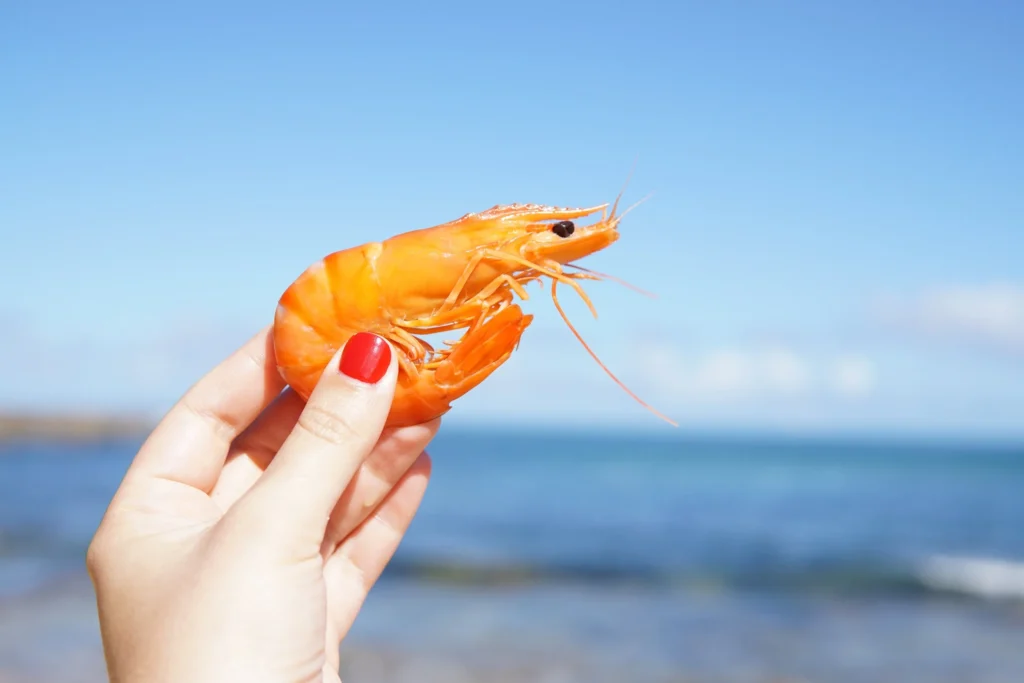

The nutritional value of shrimp is one of the main reasons it shows up in so many high-protein, lower-calorie meal plans. When people ask, What is the nutritional value of shrimp, they usually want straight answers on calories, protein, fat, sodium, and cholesterol, plus whether shrimp is a smart pick for heart health, weight goals, and fitness routines. Shrimp are a popular choice because it cooks in minutes, tastes clean and slightly sweet, and can feel like comfort food without being heavy.
A hot skillet, a little olive oil, garlic hitting the pan, and shrimp turning pink with that quick sizzle, thats the kind of meal that fits real life. We can keep it simple, and still eat like someone who cares about health.
Nutrition at a Glance: Shrimp Nutrition Facts
Below is a practical snapshot for a common serving, about 3 oz cooked. Notice we list two sodium scenarios. Plain cooked shrimp can be moderate in sodium, but some shrimp is processed with moisture-retaining additives and sodium can jump a lot.
| Nutrient (per ~3 oz cooked) | Plain cooked shrimp (84 g) | Cooked shrimp that may contain moisture-retaining additives (85 g) |
|---|---|---|
| Calories | 100 | 101 |
| Protein | 21 g | 19.4 g |
| Total fat | 1.5 g | 1.4 g |
| Carbohydrates | 0 g | 1.3 g |
| Cholesterol | 170 mg | 179 mg |
| Sodium | 240 mg | 805 mg |
| Vitamin B12 | Not listed in FDA table | 1.4 mcg |
| Selenium | Not listed in FDA table | 42.1 mcg |
Source note for this table: plain cooked seafood values come from FDA’s cooked seafood nutrition table, while the second column is a USDA FoodData Central entry displayed via MyFoodData that specifically notes it “may contain additives to retain moisture.
Serving Size Reference
A typical reference serving for shrimp is 3 ounces cooked, which looks close to the size of the palm of the hand. That serving may be anywhere from about 6 large shrimp to 12+ medium shrimp depending on the count size, so dont get stuck thinking it has to be a perfect number.
For people training hard, doing meal prep, or trying to stay full at lunch, we may choose 4 to 6 ounces cooked and balance the plate with vegetables and a fiber-rich carb. Portion needs vary, and goals change week to week.
Calorie Content
Shrimp is low calorie for the amount of protein it gives. A 3 oz cooked serving is about 100 calories when cooked with no added ingredients.
Calories stay low unless breading, butter, creamy sauces, or deep frying starts doing the heavy lifting. Shrimp itself is lean, but the cooking method can change the whole story.
Macronutrient Breakdown
Carbohydrates
Plain shrimp has 0 grams of carbs in the FDA cooked seafood table.
That means shrimp fits naturally into lower-carb patterns, and it pairs well with carbs you choose on purpose, like brown rice, quinoa, sweet potato, or beans.
Fiber Content
Shrimp contains 0 grams of fiber.
So if we are building a meal around shrimp, fiber must come from the sides: vegetables, fruit, oats, beans, or whole grains.
Sugars
Shrimp contains 0 grams of sugar, and it has no added sugar unless the recipe adds it (think sweet chili sauce, sugary marinades, or breading).
Protein Content
Protein is where shrimp shines. A 3 oz serving provides about 19 to 21 grams of protein, depending on the data source and product.
This is why shrimp works for:
- weight management meals where we want fullness without many calories
- muscle support when protein targets matter
- quick weeknight dinners when we dont want complicated prep
Protein lands fast, and it feels “clean” in the stomach for many people, especially compared with heavier fried meats.
Fat Content
Shrimp is very low in fat. Total fat sits around 1.4 to 1.5 grams per 3 oz cooked.
Most of what is there are unsaturated, but the amount is small overall.
Saturated Fat
Saturated fat is minimal, around 0 to 0.44 grams depending on the entry and rounding.
This matters because saturated fat tends to have a bigger effect on LDL cholesterol than shrimp’s own saturated fat contribution does, and shrimp is low here.
Trans Fat
Shrimp naturally contains essentially no industrial trans fat. In the USDA-based entry shown, trans fat is listed at 0.03 g.
If trans fat shows up higher, it’s usually from frying oils, packaged coatings, or restaurant prep.
Vitamins in Shrimp
Shrimp is not a “multivitamin” food, but it contributes meaningful amounts of a few nutrients that support energy metabolism and the nervous system.
A standard 3 oz cooked serving (USDA-based entry) provides:
- Vitamin B12: 1.4 mcg (listed as 59% DV on that panel)
- Niacin (B3): 2.3 mg
- Vitamin B6: 0.21 mg
- Small amounts of vitamin A and vitamin E
Vitamin B12 in shrimp support nerve and blood functions, and many people who eat less red meat like having seafood options that still contributes B12.
Minerals in Shrimp
Shrimp brings several minerals that matter for thyroid function, antioxidant defense, and overall metabolism.
In a 3 oz cooked serving from the USDA-based entry, shrimp provides:
- Selenium: 42.1 mcg
- Phosphorus: 260 mg
- Zinc: 1.4 mg
- Copper: 0.22 mg
- Iodine: 12.8 mcg
Selenium help antioxidant enzymes do their job, and iodine is a building block for thyroid hormones. Shrimp wont cover all iodine needs alone, but it contribute.
Sodium Content
Sodium is the shrimp nutrition detail that surprises people most.
- Plain cooked shrimp in FDA’s table lists 240 mg sodium per 3 oz.
- A USDA-based entry that may include moisture-retaining additives lists 805 mg sodium per 3 oz.
That swing is massive, and its why label reading matters. If blood pressure runs high, or we are trying to keep sodium moderate for heart health, we should look for shrimp labeled in ways that suggest fewer additives. If the ingredient list includes sodium-based additives, sodium can climb fast.
A simple habit that helps: if using frozen shrimp, rinse after thawing and pat dry. It won’t remove all sodium, but it can reduce surface salt some times.
Cholesterol Content
Shrimp is well known for being higher in dietary cholesterol. A 3 oz serving lands around 170 to 179 mg of cholesterol.
This number can feel alarming if we grew up hearing “keep cholesterol under 300 mg.” But modern guidance has shifted toward overall dietary patterns, and many heart-focused discussions point out that cholesterol in food is not the same thing as cholesterol in the blood.
The American Heart Association has explained that current guidelines suggest keeping dietary cholesterol as low as possible without compromising nutrition, and they also highlight that shellfish like shrimp can be relatively healthy when not fried, even though it is high in cholesterol.
If someone has high LDL, diabetes, or strong family history, shrimp can still fit, but it may be smarter to keep portions reasonable and focus hard on the rest of the day: fiber, vegetables, legumes, and less saturated fat.
Glycemic Impact and Blood Sugar Notes
Shrimp is very low carb, and the USDA-based panel even lists a “blood sugar index” of 0 for that entry.
So shrimp is generally a strong protein choice for people who are watching blood sugar response, as long as the coating and sauces are not sugar heavy.
Digestive Considerations
Shrimp is easy to digest for many people because it is lean and low in fiber. But low fiber is also the downside: a shrimp-only meal can leave the gut feeling “empty” later.
We get better digestion and better fullness when shrimp is eaten with:
- vegetables (roasted, grilled, sautéed)
- beans or lentils (if tolerated)
- whole grains like farro or brown rice
- avocado, olive oil, nuts, or seeds for a little fat
Also, shrimp can turn rubbery when overcooked, and that texture can be tough on the stomach for some people. We see it all the time, folks cook it too long and it turn chewy.
Allergen Information
Shrimp is a shellfish (a crustacean), and shellfish allergy is one of the most common adult food allergies. Reactions can range from mild hives to severe anaphylaxis, and symptoms often begin within minutes to an hour after exposure.
If someone has ever had itching, swelling, wheezing, vomiting, or throat tightness after shrimp, that’s not something to “test again” casually. It deserves medical guidance.
Absorption Notes
Shrimp provides iron in small amounts, but it is not a top iron food. Still, pairing shrimp with vitamin C rich produce (bell peppers, citrus, tomatoes) is a practical habit because it supports overall mineral use in meals, and it taste bright too.
Health Considerations
Mercury and pregnancy considerations
Shrimp is generally considered a lower-mercury choice. In FDA and EPA fish advice materials, shrimp appears in lists meant to guide lower-mercury seafood choices.
That same advice document notes the Dietary Guidelines recommendation of at least 8 ounces of seafood per week (less for children), and for pregnancy or breastfeeding, 8 to 12 ounces per week from lower-mercury choices.
So shrimp can be part of a smart seafood rotation, especially when we mix it up with salmon, sardines, trout, and other nutrient-rich options.
Food safety and cooking
Shrimp is safest when fully cooked. The FDA notes most seafood should be cooked to 145°F, and for shrimp specifically, the flesh becomes firm, pearly, and opaque when done.
Thawing matters too. Refrigerator thawing overnight is safest, and quick-thawing in cold water is also an option.
Recalls and quality checks
Shrimp is nutritious, but like any food product it can face recalls. For example, on December 19, 2025, the FDA posted a company announcement recall involving certain frozen raw shrimp products due to potential contamination with cesium-137.
This does not mean shrimp is unsafe as a category. It mean we should:
- check brand and lot info when recall news appears
- store and thaw seafood safely
- buy from retailers with good cold-chain handling
Potential Benefits
Shrimp fits well when we want high protein without high calories, and that helps with:
- building meals that support calorie control without feeling deprived
- hitting protein goals for strength training
- keeping dinners light but satisfying
It also brings nutrients like B12, selenium, iodine, and choline, which support nervous system health, thyroid function, and normal metabolism.
Potential Concerns or Limitations
Shrimp is not perfect for everyone.
- Allergy risk is real. Even small exposure can trigger serious reactions in some people.
- Sodium may be high in some frozen or processed shrimp.
- Cholesterol is high compared with many other proteins, so people with high LDL may want to watch portion and frequency.
- Breaded and fried shrimp changes the macro story fast, more calories, more sodium, different fats.
Portion Size Guidance
Most adults do well starting here (then adjust based on hunger and goals):
- 3 oz cooked: light lunch protein, salad topper, tacos, stir fry
- 4 to 6 oz cooked: higher-protein dinner, post workout meal
- Add 2 cups of vegetables and 1 fist-sized carb if training or very active
If weight loss is the goal, we can keep the portion moderate and push volume from vegetables. If muscle gain is the goal, we can add more shrimp or add a second protein source.
Frequency of Consumption Notes
A realistic, heart-smart routine is 2 seafood meals per week, using shrimp as one option and mixing other fish too. The FDA/EPA advice aligns with choosing lower-mercury seafood and eating seafood weekly as part of a healthy pattern.
Shrimp is a good “repeat” protein, but we should still rotate proteins so our nutrient profile stays broad.
Raw vs Cooked Differences
Shrimp’s calories and macros do not change much just because it’s cooked, but the preparation does. Boiled, grilled, baked, or sautéed shrimp stays lean. Breaded shrimp adds carbs and fat, and sauces can add sugar and sodium.
Also, shrimp overcooks fast. If it curls into a tight ring and feels tough, it probably went too far.
Fresh vs Frozen vs Breaded Shrimp
Frozen shrimp can be a great value and often very fresh in practice because it is frozen soon after harvest. The key is reading labels for sodium and additives.
Breaded frozen shrimp is usually a different category nutritionally. It’s closer to a processed convenience food than a lean protein.
Cultural and Traditional Uses
Shrimp shows up across American tables in ways that feel familiar and satisfying:
- shrimp and grits
- shrimp tacos with cabbage and lime
- gumbo and jambalaya
- cold shrimp cocktail for gatherings
We can keep those traditions and still eat with intention by watching breading, salt-heavy sauces, and portion size.
How Shrimp Fits Into a Balanced Diet
Shrimp works best when it is not the whole plate. We get the best nutrition results when we pair it with:
- color (vegetables and fruit)
- fiber (beans, whole grains, or starchy vegetables)
- healthy fats (olive oil, avocado, nuts)
That combination supports fullness, blood sugar steadiness, and overall diet quality.
Pairing Suggestions
Here are a few balanced combinations that taste good and feel good:
- Shrimp + roasted broccoli + quinoa + lemon
- Shrimp + black beans + sautéed peppers + brown rice
- Shrimp + mixed greens + cherry tomatoes + olive oil vinaigrette
- Shrimp + zucchini noodles + marinara + side salad
Keep sauces simple, and the shrimp flavor stay front and center.
Storage and Shelf Life Notes
Safe handling protects both health and taste.
The FDA recommends thawing seafood in the fridge overnight when possible, and cooking seafood to 145°F. Shrimp is done when it becomes firm, pearly, and opaque. Also, do not leave seafood out more then 2 hours (or 1 hour in very hot temps).
Shrimp Compared With Similar Seafood Proteins
If we compare common cooked seafood portions (3 oz cooked, no added ingredients), shrimp sits in a very lean spot:
- Shrimp: 100 calories, 21 g protein
- Salmon: 200 calories, 24 g protein
- Scallops: 140 calories, 27 g protein
So shrimp is lower calorie than salmon, while salmon often brings more total omega-3 fats. Scallops are also high-protein, but typically higher cost in many stores.
Frequently Asked Questions
Is shrimp good for weight loss?
Shrimp can support weight loss because it is high in protein and low in calories when cooked simply. The biggest pitfalls are breading, frying, and salty sauces.
How much protein is in shrimp?
Most references show roughly 19 to 21 grams of protein per 3 oz cooked, depending on product and processing.
Why is sodium so high in some shrimp?
Some shrimp products are processed in ways that increase sodium, and nutrition panels can vary widely. Checking the label is the best move.
Does shrimp raise cholesterol?
Shrimp contains a lot of dietary cholesterol, but it is low in saturated fat. Many experts focus on the overall dietary pattern and saturated fat intake, not a single food in isolation.
Is shrimp a low-mercury seafood?
Shrimp is generally included in lower-mercury guidance lists used in FDA/EPA advice materials.
What is the safest way to cook shrimp?
Cook shrimp until it is firm and opaque. FDA notes most seafood should reach 145°F, and shrimp becomes pearly and opaque when done.
Nutrition Data Source Note
Nutrition values in this article come from FDA’s cooked seafood nutrition table and USDA FoodData Central nutrient data (displayed through MyFoodData for the specific USDA entry shown). Because shrimp size, species, and processing vary, your label may read different.
Conclusion
When we step back and look at the big picture, the nutritional value of shrimp is mainly about high-quality protein with low calories, very little fat, and meaningful micronutrients like B12 and selenium. The main watch-outs are sodium (which can vary a lot) and shellfish allergy risk. If someone is asking What is the nutritional value of shrimp, the simplest answer is this: shrimp is a lean, fast-cooking protein that fits a health-focused diet best when we keep prep simple, watch the label, and build a balanced plate around it.